

The world of cinema often finds itself entangled in debates surrounding artistic freedom, censorship, privacy, and societal perceptions. Malayalam actress Divya Prabha has recently been at the centre of one such storm after a nude scene from her internationally acclaimed film All We Imagine As Light was leaked online. The leak not only violated her privacy but also sparked a wave of criticism, moral judgments, and discussions about how Indian society treats women in cinema, especially when they take on bold roles.
All We Imagine As Light: A Milestone for Indian Cinema
Directed by Payal Kapadia, All We Imagine As Light has been a landmark project for Indian cinema. The film gained international recognition by winning the prestigious Grand Prix at the Cannes Film Festival, making it one of the most talked-about Indian films of recent times.
Divya Prabha plays the role of Anu, a young Malayali nurse navigating the complexities of love, life, and identity in a bustling urban setting. Her performance has been hailed as deeply nuanced and emotionally powerful. The film explores themes of intimacy, dreams, and freedom, but unfortunately, a private and sensitive scene involving Divya was leaked, stripping it of its artistic context and turning it into a viral controversy.
The Leak That Sparked the Controversy
The controversy began when a nude scene featuring Divya Prabha was shared online without authorization. Once uploaded, the clip spread rapidly across social media and messaging apps.
Instead of being appreciated as part of a larger narrative, the scene was taken out of context and sensationalized. This not only compromised the integrity of the film but also caused immense distress to Divya. What was meant to be an honest depiction of a character’s vulnerability suddenly became tabloid fodder, triggering moral outrage and widespread criticism.


.jpg)

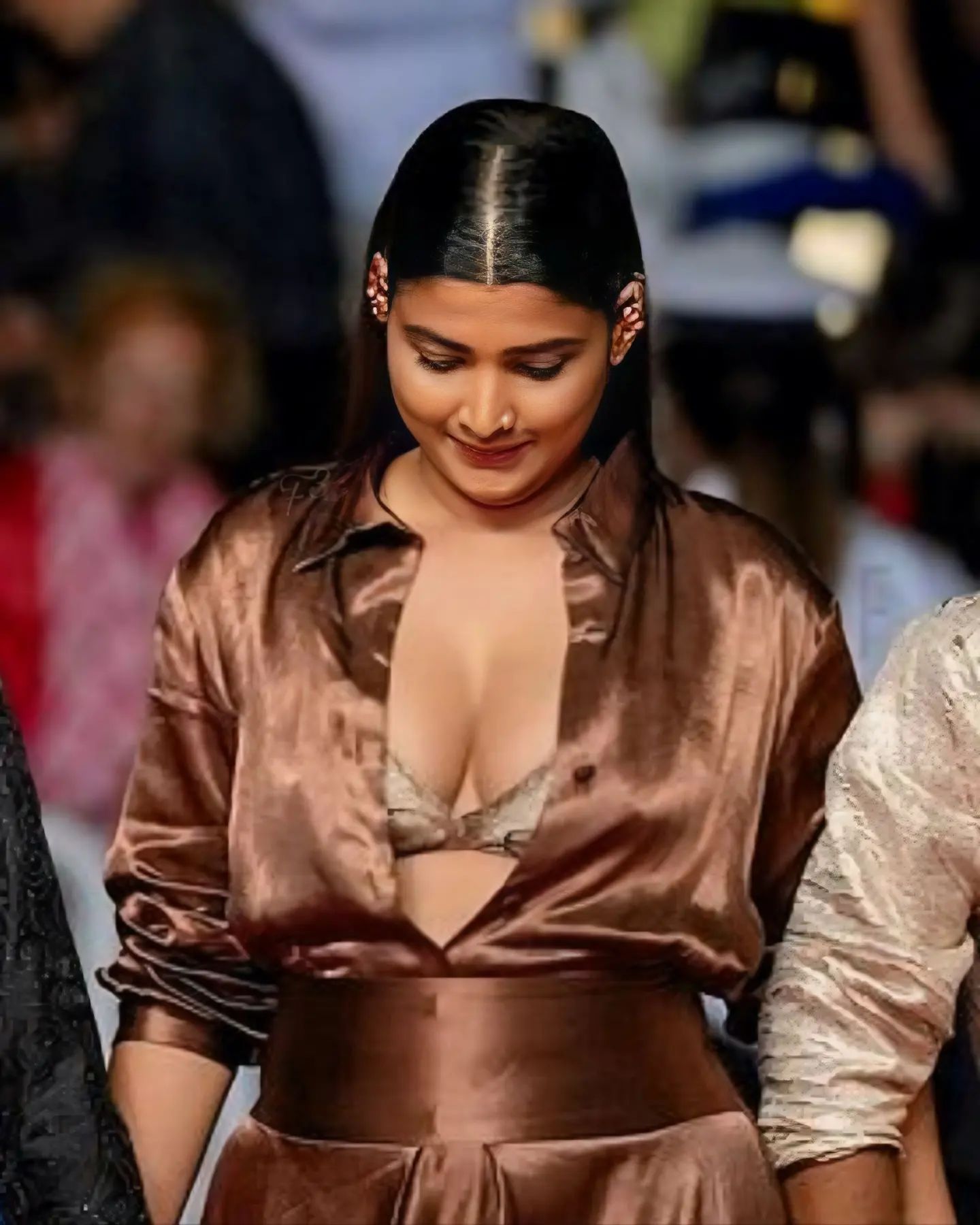


Divya Prabha’s Strong Response
Divya Prabha chose not to remain silent. In an emotional and powerful statement, she addressed the criticism head-on, rejecting claims that she performed the nude scene for fame or attention.
“I do not need to strip naked to earn fame,” Divya asserted, emphasizing that her decision was purely artistic. She explained that she had complete faith in the film’s vision and believed in the emotional depth of her character.
The actress expressed her anger over the way the scene was leaked and misinterpreted. She described the entire situation as “pathetic”, admitting that while she had expected some backlash, the extent of the criticism reflected society’s deep-rooted prejudices.
A Commentary on Double Standards
One of the most striking points in Divya’s response was her criticism of the double standards prevalent in society. She highlighted how international filmmakers and artists are often celebrated for their bold and boundary-pushing work, while local women who attempt similar artistic expressions are harshly judged and shamed.
This, according to Divya, is a reflection of the paradoxical mindset in regions like Kerala and across India. On one hand, audiences applaud global art films that feature nudity or intimacy, but on the other, they condemn homegrown talent for participating in similar scenes.
Her statement brought attention to the hypocrisy that continues to plague Indian cinema, where cultural conservatism often clashes with creative freedom.
Certified by CBFC Yet Criticized by Audiences
Divya also pointed out that All We Imagine As Light was fully approved by the Central Board of Film Certification (CBFC). The scene in question had gone through legal scrutiny and was deemed appropriate within the context of the story.
Despite this, once the scene was leaked online, it was judged harshly and stripped of its narrative meaning. This highlights a broader problem in the digital era: a certified film is meant to be experienced as a complete work of art, but piracy and leaks often distort its message, leading to misinterpretation and unwarranted criticism.
Privacy Violation and Emotional Toll
The leak of the scene also raises serious questions about privacy and consent. Sharing intimate content without permission is not just unethical—it’s a violation of trust and personal boundaries.
For Divya, this wasn’t merely about public image; it was about personal dignity. Such leaks can have long-lasting effects on an actor’s career, mental health, and emotional well-being. By speaking out, Divya has highlighted the urgent need for stricter laws and digital responsibility to protect artists from exploitation.
Gender Bias in Cinema
The controversy surrounding Divya also sheds light on gender bias in the film industry. Male actors are often praised for taking on bold roles, seen as brave and daring. In contrast, female actors are subjected to harsh scrutiny, moral policing, and even character assassination for similar choices.
Divya’s experience is not an isolated incident but part of a larger pattern. By addressing it publicly, she has reignited a vital conversation about the treatment of women in Indian cinema and the societal attitudes that perpetuate this inequality.
Hope Amidst the Backlash
While the backlash has been intense, Divya also acknowledged the supportive voices that emerged amid the chaos. Many viewers, particularly from younger generations, defended her artistic choice and understood the context of the scene.
For Divya, this represents a glimmer of hope. She believes that as more people embrace progressive and empathetic perspectives, the space for bold and honest storytelling in Indian cinema will continue to grow.
A Call for Respect and Reflection
This incident is not just about one actress or one film. It serves as a powerful reminder of how audiences engage with cinema. Films are created with passion and intent, meant to be experienced fully, not chopped into fragments and spread online for gossip or judgment.
As consumers of art, the public holds a responsibility to approach films with context, sensitivity, and respect. Leaks and piracy not only harm the people involved but also rob viewers of the chance to experience stories as they were meant to be told.
Conclusion
The leak of Divya Prabha’s nude scene from All We Imagine As Light goes beyond being a simple scandal. It is a reflection of the challenges faced by women in the arts, the hypocrisy of societal attitudes, and the urgent need for conversations about privacy and artistic freedom.
Divya’s brave and articulate response shows her strength and conviction as both an artist and an individual. By refusing to be shamed or silenced, she has transformed a deeply personal violation into a moment of cultural reflection. Her stand encourages audiences to rethink their role in shaping cinema culture, emphasizing that respect for the artist should always remain at the heart of the conversation.